Why Dance Is Worth It in 2026: The Long-Term Benefits of Dance for Kids
Why Dance Still Matters as We Step Into a New Year
The beginning of a new year often brings reflection. Parents pause, look at the rhythm of their family life, and reassess where time, energy, and resources are truly going. The pressures feel heavier than ever. Schedules are full, financial demands continue to rise, and childhood itself unfolds within a world that moves faster than most of us can comfortably follow.
In this landscape, thoughtful questions emerge. Why dance. Why commit to a practice that unfolds slowly, requires consistency, and does not promise a traditional financial return.
These questions come from care. They reflect a desire to give children more than busy calendars or surface-level success. They reflect a hope to offer experiences that build strength, clarity, and confidence that will last well beyond the year ahead.
After sixteen years of teaching, directing, choreographing, mentoring, and running a studio, I have watched dancers grow through every season of life. I have seen how they step into the studio for the first time, how they evolve over months and years, and how those changes ripple outward into classrooms, friendships, and future careers. What remains consistently clear is this. Dance offers something few practices can match. It builds humans. It shapes the emotional, physical, and cognitive skills that allow young people to thrive in a world that asks for resilience, adaptability, empathy, and grounded confidence.
As families step into 2026, it is worth understanding why dance continues to matter so deeply, not only through experience, but through research that reveals just how meaningful this practice truly is.
1. The Gift of Feedback and the Strength to Receive It

Feedback is increasingly complex for young people. Many children grow up in environments that reward instant success, polished outcomes, or visible achievement, leaving little room to practice receiving constructive insight. When feedback does appear, it can feel personal, emotional, or overwhelming.
Dance offers something profoundly different. In the studio, feedback is woven into the rhythm of every class.
Dancers learn that corrections are not judgments of who they are, but investments in who they are becoming. They learn to receive information in real time, apply it without hesitation, and continue moving forward.
They also learn by listening, observing corrections given to others, and integrating those insights into their own work.

These skills extend far beyond dance. Research shows strong associations between dance participation and improvements in social competence, emotional regulation, and overall well-being¹. When dancers learn to integrate feedback with clarity rather than defensiveness, they are practicing communication, collaboration, and adaptability that support them throughout life.
This relationship with feedback becomes one of the most powerful skills a young person can develop. It supports academic growth, strengthens teamwork, and builds confidence rooted not in perfection, but in resilience.
2. The Gift of Long-Term Discipline in a Culture of Instant Gratification
Children today grow up surrounded by speed. Answers arrive instantly. Entertainment is constant. Mastery appears effortless on screens. When something feels challenging, it is easier than ever to move on.
Dance interrupts this pattern in a grounded, embodied way.
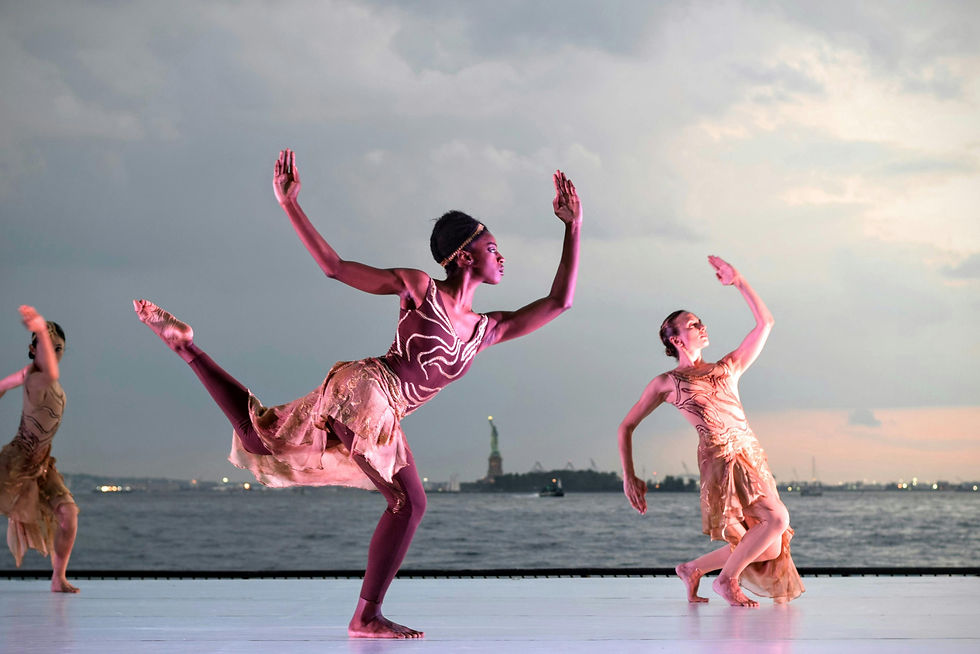
Progress in dance is slow, steady, and cumulative. From early childhood through adolescence, dancers repeat foundational movements week after week. Over time, growth shifts from learning new steps to refining nuance. Musicality, control, timing, and texture develop through patience and repetition.
This long arc of mastery teaches young people how to stay with something even when progress feels invisible. It teaches them to breathe through discomfort and trust that consistency creates change.
Research supports this. Studies show that dance may improve motivation, memory, problem-solving, and social cognition more effectively than many traditional exercise interventions². These cognitive benefits reflect the layered demands of dance, where physical, emotional, and intellectual effort exist together.

It is no coincidence that many former dancers thrive in demanding fields such as medicine, engineering, law, education, and science. Dance builds the discipline to focus, persist, and trust the learning process.
3. The Gift of Physicality and a Lifelong Relationship with Movement

Movement shapes health in powerful ways. It influences brain function, emotional regulation, sleep, and overall well-being. Yet many young people struggle to find movement that feels meaningful and sustainable.
Dance offers a physical pathway that is both athletic and expressive. It welcomes children who may not feel at home in traditional sports and invites them to discover strength, coordination, and endurance through artistry.

The physical benefits are measurable. One study found that structured youth dance classes contributed nearly one-third of weekly moderate-to-vigorous physical activity for participating girls. On class days, dancers moved 70 percent more and sat 8 percent less³. Dance is not passive. It is a rigorous physical practice that counters sedentary patterns.
Another study found that dance training reduced anxiety and depression while increasing self-esteem and social adaptability⁴. These outcomes reflect what teachers see daily. When young people feel capable in their bodies, their mental health strengthens.
Perhaps most meaningful is this. Dancers often become lifelong movers. They enter adulthood comfortable with physical challenge and aware of what it feels like to be connected rather than stagnant. This relationship with movement becomes a foundation for long-term health.
4. The Gift of Real Connection in a Digital World

Technology continues to shape childhood in profound ways. Screen time increases, comparison intensifies, and curated imagery quietly influences self-perception. Many parents feel concern about the emotional impact of this environment.
Dance offers a powerful counterbalance.
In the studio, presence matters. Phones are put away. Communication happens face to face. Collaboration unfolds in real time. A dancer cannot grow without showing up physically, mentally, and emotionally.

Research shows that increased screen time is associated with higher levels of anxiety and depression in adolescents. In contrast, structured physical activity such as dance correlates with improved mental well-being⁵.
One large study found that teens engaged in regular organized movement were approximately 60 percent less likely to experience symptoms of depression⁶.
Dance does not simply pull young people away from screens. It places them into communities built on trust, teamwork, and shared vulnerability. These relationships often last well beyond childhood, anchoring dancers through transitions and challenges.
5. The Gift of Confidence That Extends Far Beyond the Studio

Confidence is one of the most transformative outcomes of dance training. It develops gradually, through challenge, expression, and learning to inhabit the body with awareness and strength.
Parents often describe quiet children who find their voice, anxious students who begin raising their hands, and teens who learn to stand with ease and clarity. These changes are not accidental. They come from navigating discomfort, adapting in real time, and learning to trust the body’s capability.

Research consistently links dance participation with improved self-esteem, lower anxiety, and stronger emotional resilience¹⁻⁴. Dance teaches that confidence is not perfection. It is the ability to remain grounded when things feel uncertain.
This confidence supports young people across every area of life, from academics to relationships to early careers. Dance teaches them that growth is possible, challenge is survivable, and strength can be cultivated from within.
A Practice to Carry Forward Into 2026 and Beyond
Dance is not simply an extracurricular activity. It is a practice that shapes identity, emotional intelligence, physical well-being, and resilience. It offers young people a space to grow with intention, discipline, and joy.
In a world that moves quickly, dance invites focus.
In a culture shaped by comparison, dance invites self-trust.
In a time of digital saturation, dance invites presence.
In an uncertain future, dance invites inner steadiness.
As families step into a new year, dance remains a meaningful choice. Not because it promises instant results, but because it offers something deeper.
A foundation that supports growth for years to come.

Sources
¹ Dance and psychosocial benefits for youth. PMC9234256
² Dance and cognitive and emotional benefits compared to other exercise. PMC11127814
³ Dance contribution to youth moderate-to-vigorous physical activity. PMC3162521
⁴ Dance training effects on mental health. ResearchGate, 2024
⁵ Dance and social-emotional development. ScienceDirect, 2025
⁶ Structured physical activity and reduced depression in teens. UNSW, 2024

Comments